
 Available in US
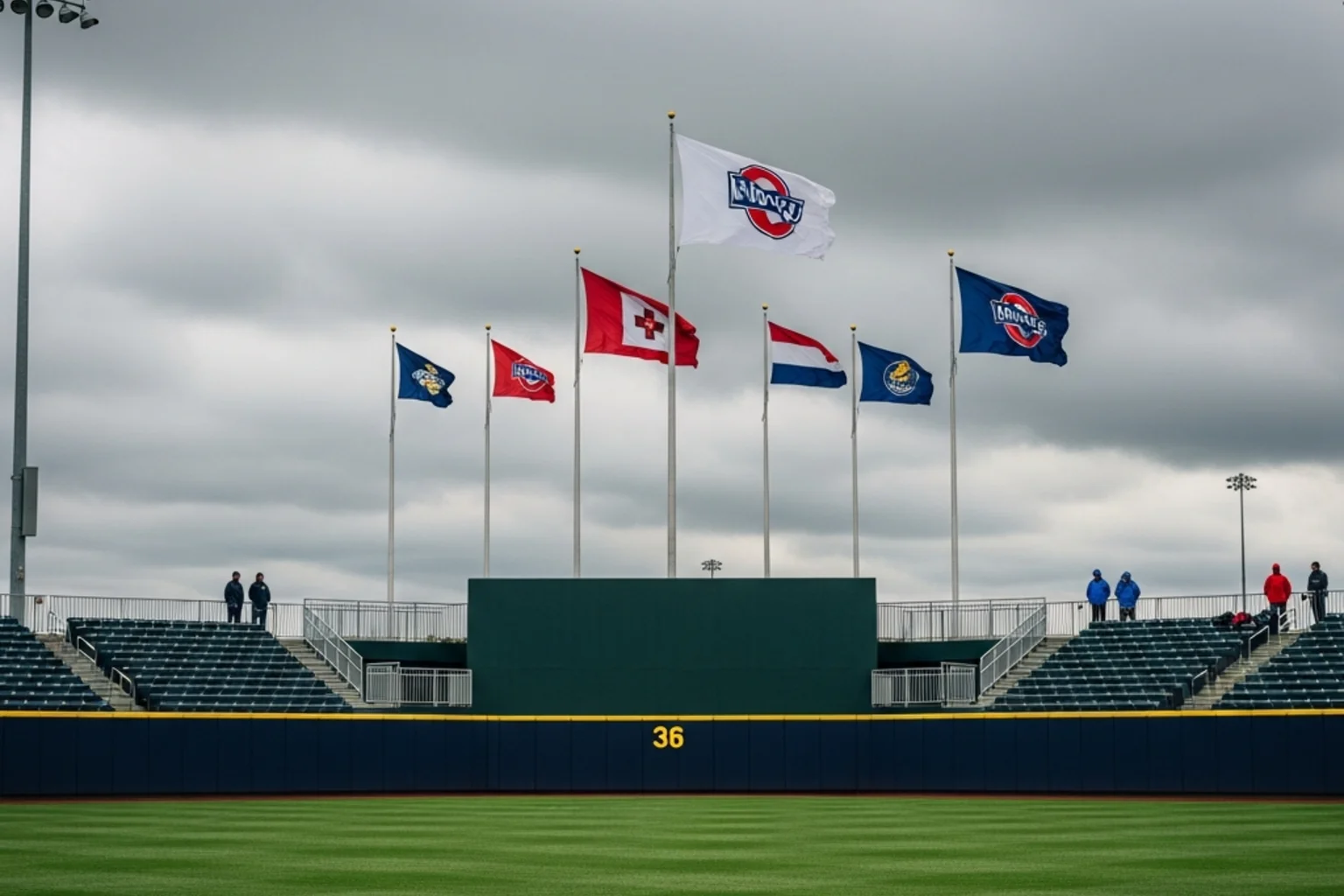
Wrigley Field, early June, 18 mph wind blowing straight out to centre. I took the Over 9.5 before the first pitch and watched the game finish 11-8. Two weeks later, same park, same teams, wind blowing in from Lake Michigan. The game ended 3-2. Same ballpark, same franchises, completely different run environments — all because of the wind. If you bet MLB totals without checking the weather, you are guessing at a variable that can shift the true run total by half a run or more. I learned that lesson in my first season and have checked weather reports before every totals bet since.
In MLB betting, top-down approaches that react to information flow and conditions have proven increasingly effective. Weather is one of the most accessible and underused informational edges available to UK bettors, because the data is free, the effect is measurable, and most recreational punters never look beyond the starting pitchers. This guide covers wind, rain, temperature and ballpark effects — the environmental variables that sit underneath every MLB bet you place.
Wind Speed and Direction Impacts on Game Totals
Wind is the single most impactful weather variable for MLB totals betting. The direction and speed of wind relative to the ballpark’s orientation determines whether fly balls carry further (boosting scoring) or die in the air (suppressing it). The effect is confined to open-air stadiums — domed or retractable-roof parks with the roof closed are wind-neutral.
Outward wind — blowing from home plate toward the outfield — is the bettor’s best friend for Overs. A sustained 15 mph wind blowing out can add 0.3 to 0.5 runs to the true game total by turning warning-track fly outs into home runs. The effect is not linear: 5 mph outward wind has minimal impact, but 15 mph has a meaningful one, and above 20 mph the effect is dramatic. Wrigley Field in Chicago is the canonical example because its exposed lakeside location produces some of the most variable wind conditions in the league.
Inward wind reverses the dynamic. Balls that would normally carry for home runs are knocked down by headwinds, turning potential four-run events into harmless fly outs. A strong inward wind suppresses scoring and favours Under bets, particularly in parks with deep outfield dimensions where the wind has more distance to act on the ball.
Crosswinds are trickier. They push fly balls laterally, which can help or hurt depending on the hitter’s spray chart and the ballpark’s foul-line distances. A crosswind blowing from left to right at Yankee Stadium, for instance, might push right-handed pull hitters’ fly balls toward the short right-field porch, effectively mimicking outward wind for those specific batters. I generally treat crosswinds as neutral unless they are very strong (15 mph plus) and clearly favour one side of the field.
Rain Delays and Shortened Games: What Happens to Your Bet
Rain is less about run-scoring probabilities and more about settlement rules. When an MLB game is delayed or shortened by rain, the implications for your bet depend on how much of the game was completed and your bookmaker’s specific terms.
If a game is called before it becomes official — typically before five innings are complete — most UKGC-licensed bookmakers void all pre-game bets and return stakes. If the game is called after becoming official (five or more complete innings), the result at the time of the call stands and bets are settled accordingly. This means a totals bet that was cruising toward the Under could be void if rain arrives in the fourth inning, or could settle as a winner if rain arrives in the sixth.
Suspended games — where play is halted and resumed at a later date — add another layer of complexity. Settlement rules for suspended games vary between bookmakers. Some settle based on the result whenever the game is eventually completed; others void bets if the game is not finished on the originally scheduled day. Check your bookmaker’s MLB rules before betting on a day with rain in the forecast.
My approach to rain: I check the hourly forecast for the game’s location and the expected start time. If heavy rain is forecast during the middle innings (the most likely window for a rain-shortened game), I either avoid the game entirely or shift my bets to the first five innings market, which settles before the rain risk peaks. You cannot control the weather, but you can control your exposure to it.
Ballpark Run Factors: The Constant Underneath the Weather
Every MLB stadium has a measurable “park factor” that quantifies how much the venue inflates or suppresses run-scoring relative to the league average. A park factor of 110 means the ballpark produces 10% more runs than average; 90 means 10% fewer. These factors are publicly available and remarkably stable year over year because they reflect physical constants — outfield dimensions, altitude, foul territory size — that do not change.
The extreme cases are well known. Coors Field in Denver sits at 1,600 metres above sea level, where thinner air reduces drag on the baseball and produces a park factor consistently above 115. Balls travel further, breaking pitches break less, and games routinely feature double-digit combined runs. At the other end, parks like Oracle Park in San Francisco and Petco Park in San Diego are pitcher-friendly environments with deep outfield dimensions, marine air and park factors below 95.
What matters for betting is not just the park factor itself but whether the bookmaker’s totals line fully reflects it. Mainstream parks like Coors are priced accurately — everyone knows Denver inflates scoring. The value is more often found at parks with moderate factors (105-110) where the adjustment is less obvious. A park that produces 5-7% more runs than average can nudge the true total above the posted line in matchups where the pitching is average and the lineups are productive.
I maintain a cheat sheet of the five most hitter-friendly and five most pitcher-friendly parks and consult it before every totals bet. The entire process takes 30 seconds and provides context that the starting pitchers and lineups alone cannot give you. For an extended look at how these factors feed into a totals betting system, the main MLB betting guide covers the framework.
